How Garage Door Accessories Can Improve Property Value
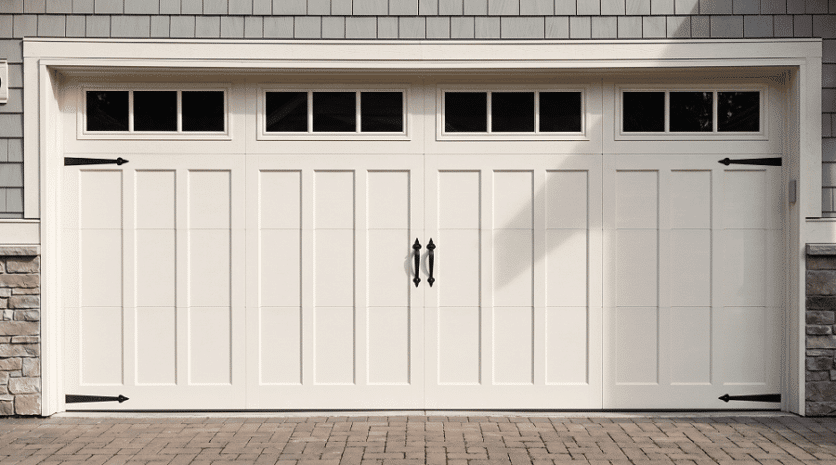
A garage door rarely gets the same attention as a kitchen remodel or a new roof, yet buyers notice it almost immediately. On many homes, the garage door takes up a larger share of the front elevation than the entry door or even the main windows. That means the hardware, lighting, trim, and operating features tied to that door carry more weight than homeowners often realize. When those details are chosen well, garage door accessories can improve curb appeal, daily function, perceived quality, and even buyer confidence during a sale.
That last point matters. Property value is not created by aesthetics alone. Buyers and appraisers respond to signs that a home has been maintained, upgraded thoughtfully, and made more efficient or secure. A garage that opens quietly, lights up safely, seals tightly, and looks finished sends a message. It tells people the owner paid attention. In residential real estate, that kind of impression can affect both the speed of a sale and the final negotiation.
Not every accessory moves the needle in the same way. Some upgrades are mostly cosmetic. Others solve practical problems that buyers recognize right away, especially in markets where garages serve as storage rooms, workshops, home gyms, or secondary entrances. The strongest return usually comes from accessories that improve both appearance and usability.
Why buyers care about the garage more than they used to
A generation ago, many garages were little more than covered parking. Now they often do much more. Families use them to store sports equipment, tools, seasonal decorations, freezers, recycling bins, and bulk household supplies. In some homes, the garage is the most frequently used entrance. In others, it doubles as a hobby space or a place to charge an electric vehicle.
That shift changes what people expect. A bare-bones garage door setup may still function, but it can feel outdated if it rattles loudly, leaks air, lacks adequate lighting, or forces the owner to get out of the car in the rain to open it manually. Buyers notice those frictions quickly during a showing. They also notice upgrades that remove them.
I have seen this play out in both modest suburban homes and higher-end properties. A seller may invest thousands in interior paint and staging, then leave an aging opener, dinged decorative hardware, and cracked perimeter seals in place. The result is a front-facing feature that quietly undermines the rest of the presentation. On the other hand, a relatively modest budget spent on the right garage door accessories can make the exterior feel sharper and the home feel better cared for.
Curb appeal starts with visible accessories
The most immediate value boost tends to come from visible accessories. These are the elements a buyer sees from the driveway or street, often before they step out of the car. Decorative handles, hinge-style straps, upgraded trim, window inserts, and exterior lighting can all elevate the look of a standard garage door.
That does not mean every home needs carriage-style hardware or ornate fixtures. The best choices match the architecture of the house. A modern home benefits from clean lines, low-profile hardware, matte finishes, and simple sconces. A traditional colonial or craftsman can carry more decorative detail without looking forced. Mismatched accessories do the opposite of what you want. They make the door look like an afterthought.
Lighting deserves special attention here. Good garage lighting does more than flatter the exterior at dusk. It improves security, makes the home feel welcoming, and helps define the garage as part of the overall design rather than a blank utility wall. Replacing undersized builder-grade fixtures with larger, Garage Door Accessories properly proportioned lights is one of the simplest exterior upgrades available. If those fixtures complement the front entry lights, the home feels more cohesive.
Window inserts can also shift perception significantly. They add dimension, break up large expanses of material, and make a garage door look more custom. The trade-off is privacy and insulation. In some climates or neighborhoods, frosted or tinted glass offers the best balance. If the garage faces harsh afternoon sun, the wrong glazing choice can make the space hotter. That is where judgment matters. A pretty upgrade that creates comfort problems is not a value add for long.
Quiet operation suggests quality
Sound has a strange effect on perceived value. People may not comment on it directly, but they remember it. A garage door that shudders and growls feels old, even if it still works. A door that lifts smoothly with a belt-drive opener, nylon rollers, and a properly balanced spring system feels expensive.
This is one of the least glamorous ways garage door accessories improve property value, yet it is often one of the most convincing. During a showing, an agent presses the wall button or remote, and the door rises with a soft mechanical hum instead of clanking through the tracks. That moment tells buyers the house may have been maintained well behind the scenes too.
Upgrading to quieter rollers and a modern opener is not usually as visible as adding decorative hardware, but it affects daily life more. For homes with bedrooms over or next to the garage, the benefit is immediate. Families with early work schedules or late-arriving teenagers understand the difference right away.
There is also a safety and liability angle. Newer opener accessories often include auto-reverse sensors, motion-detecting lights, battery backup, and smartphone controls. Those features do not just make the garage easier to use. They reduce points of friction and signal that the home is up to date.
Smart features can raise appeal, if they are simple and reliable
The strongest smart home upgrades are the ones people can use without a manual. Garage access technology falls squarely into that category when installed properly. Smartphone-connected openers, keypads, integrated cameras, and app-based notifications can all add appeal, especially for buyers who travel, receive frequent deliveries, or manage a busy household.
Still, there is a practical line between useful and fussy. If a smart opener depends on a weak Wi-Fi signal in a detached garage, buyers may see the setup as one more thing to troubleshoot. Reliability always outranks novelty. A standard wall control and remote that work every time are better than a flashy app that disconnects.
Where smart accessories help most is in convenience and peace of mind. Owners can confirm whether the door is closed, open it for a contractor without lending out keys, or receive alerts if it opens unexpectedly. In neighborhoods where the garage serves as a main entry point, those features become part of the home's security story. That matters in resale.
One point worth noting is that technology ages faster than hardware. Decorative straps, weather seals, and quality lighting can look relevant for years. Connected electronics may feel dated sooner. If resale is a near-term goal, choose systems from established brands with straightforward controls and broad compatibility.
Weatherproofing and insulation protect value in less visible ways
Some of the best garage door accessories are the least photogenic. Bottom seals, threshold seals, perimeter weatherstripping, insulation kits, and upgraded retainer systems do not make for dramatic before-and-after pictures, but they solve issues that buyers care about once they step inside.
A garage with visible daylight around the door raises questions immediately. Is water coming in during storms? Are pests finding gaps? Is conditioned air escaping if the garage is attached to the house? Even buyers who are not mechanically inclined understand that gaps around a garage door can create real problems.
In colder climates, insulation and sealing can make the adjacent living spaces more comfortable and reduce drafts near rooms that share walls with the garage. In warmer regions, they help moderate heat gain. The garage itself may not be fully conditioned, but reducing temperature swings and air leakage still improves usability. For someone who plans to use the garage as a workshop, home gym, or storage area, that can be a selling point.
Threshold seals are especially useful on driveways that slope toward the garage. They help block wind-driven rain and minor runoff, and they can reduce the dirt and leaves that blow underneath the door. They are not a cure for major drainage issues, but they often improve the space enough that buyers perceive the garage as dry and orderly rather than damp and neglected.
Security accessories influence both comfort and valuation
Security is part practical function, part psychology. A garage often stores vehicles, power tools, bikes, lawn equipment, and access points into the house. Buyers know that. A secure garage can therefore support the broader sense that the property is protected.
Several accessories help here, including modern deadbolt-style side locks for manual doors, reinforced strike areas, vacation lock modes on openers, better exterior lighting, and integrated cameras. Motion-sensing floodlights near the garage can have an outsized effect because they improve both security and nighttime usability. People pulling in after dark appreciate seeing exactly where they are stepping.
For attached garages, interior fire-rated access doors and self-closing hardware are not usually thought of as accessories in a design sense, but they affect buyer confidence. While they may not produce a dramatic price bump on their own, they support the overall impression of a responsibly maintained home.
There is a line, though, where security features begin to look defensive rather than reassuring. Oversized floodlights, visible bars, or awkward retrofit devices can make a property feel harsh. The best upgrades blend in. They make the garage more secure without advertising fear.
Decorative hardware works best when the door itself is worth dressing up
One common mistake is spending money on attractive hardware for a tired door panel. Faux hinges and handles can help a plain door look more detailed, but they cannot disguise warping, denting, rust, or fading for long. If the base door is in poor condition, accessories become lipstick on a problem.
On the other hand, when the door is structurally sound and visually clean, decorative hardware can be a high-value finishing touch. It is relatively affordable, simple to install, and easy for buyers to notice. This is especially true when paired with fresh paint or a factory-finished surface in a color that suits the home.
I often suggest that homeowners stand at the curb and view the house as a stranger would. If the garage door already looks substantial and well maintained, accessories can elevate it. If it looks tired, address the door first. Value comes from coherence. Buyers do not reward decorative detail when the fundamentals are slipping.
The accessories that usually deliver the best return
Not every upgrade needs to be expensive to matter. The best-performing garage door accessories tend to share one trait: they solve a visible or daily problem.
- Quiet rollers and a modern opener
- New weather seals and threshold sealing where needed
- Well-scaled exterior lighting
- Smart keypad or app access from a reliable system
- Tasteful decorative hardware that matches the home
That mix covers operation, comfort, safety, and appearance. It is broad enough to improve how the garage feels in use and how the house presents from the street.
How these upgrades affect appraisal versus market appeal
Homeowners sometimes assume every improvement should show up directly in an appraisal number. Real estate does not work that neatly. Appraisers look at condition, quality, comparables, and market context. A set of premium garage door accessories will not be itemized dollar for dollar the way an owner might hope.
Where these upgrades often pay off is in marketability. They can reduce objections, support stronger first impressions, and help a property compete more effectively against similar homes. A buyer comparing two houses in the same neighborhood may not say, "I am paying more because of the belt-drive opener and threshold seal." They may simply feel that one home is cleaner, quieter, better maintained, and worth stretching for.
That distinction matters. Property value is shaped not only by hard valuation methods, but also by buyer behavior. If smart, attractive, functional garage upgrades help generate more interest or fewer repair-related negotiations, they have improved value in a real and measurable sense.
I have seen this show up during inspection periods. A garage door that binds, lacks current safety sensors, or shows obvious weather intrusion can become a negotiation point. A well-finished, well-sealed, smoothly operating system usually does the opposite. It disappears from the problem list. Sometimes that is the win.
Matching the upgrade to the neighborhood
The right garage door accessories for a starter home are not always the right ones for a custom home in an upper-tier market. Value depends on fit. If the rest of the street has basic but tidy exteriors, adding functional accessories and modest decorative touches may be enough. If nearby homes feature coach lights, custom doors, and integrated smart systems, a stripped-down garage may drag the property behind its local competition.
This is where over-improving becomes a risk. Imported designer fixtures and elaborate wrought-style hardware can look excessive on a modest ranch house. Expensive accessories do not automatically increase value if buyers see them as personal taste rather than broad appeal.
A safer strategy is to bring the garage up to, or slightly above, the standard of comparable homes. Focus first on what buyers expect in your price range: reliable operation, decent lighting, secure access, a weather-tight seal, and a visually maintained door. After that, add style in a restrained way.
Installation quality matters as much as the accessory itself
A poorly installed accessory can lower perceived value even if the product is good. Crooked decorative straps, exposed wires for a smart opener, misaligned motion lights, and sloppily cut weatherstripping all suggest amateur work. Buyers notice details like that because they wonder what else was done carelessly.
Professional installation is especially important for anything that affects balance, tension, electrical operation, or safety sensors. Garage door systems carry weight and spring tension that should be treated carefully. Saving a few hundred dollars on labor is not worth it if the result is a noisy, unreliable, or unsafe setup.
That said, there are accessories many homeowners can handle well, such as replacing remotes, adding a keypad, upgrading basic trim, or installing decorative magnetic hardware on compatible doors. The key is honesty. If the final appearance will look improvised, it is better to hire the job out.
Small details that shape buyer perception
There are a few finishing touches that rarely get headline attention but still influence how valuable a property feels. Clean track covers, matching wall controls, updated switch plates, and organized storage near the garage entry all contribute to a more polished impression. Even the condition of the concrete at the threshold matters. If the seals are new but the area is stained with oil and littered with dead leaves, the benefit gets diluted.
Presentation compounds. A smart opener feels more valuable when the garage lighting is strong, the trim is fresh, the seals are intact, and the door moves smoothly. Each accessory reinforces the others. That is often how buyers experience value, not as isolated features, but as a collection of cues that tell a consistent story.
When garage door accessories are not enough
It is worth being candid about limits. Accessories cannot rescue a door that is structurally failing, badly rusted, or far out of proportion with the house. They also cannot solve foundational drainage issues, severe framing problems, or a garage layout that is simply too tight for modern vehicles.
In those cases, the money may be better spent on door replacement, drainage correction, or electrical upgrades before any accessory work begins. Buyers are usually forgiving of a modest garage if it is functional and clean. They are less forgiving of obvious core problems dressed up with cosmetic extras.
A good rule is to fix what affects performance first, then improve what affects perception. If the door is sound, opens properly, seals well, and supports safe access, accessories can do their best work.
A practical way to decide what to upgrade
For homeowners preparing to sell, the decision process should be grounded in visibility, function, and local expectations.
- Start at the curb and note what looks dated, unfinished, or out of scale
- Test the door operation for noise, speed, and smoothness
- Check for light gaps, water entry, and worn seals
- Consider whether access, lighting, and security feel current
- Compare your setup with nearby homes in a similar price range
That approach keeps spending disciplined. It also prevents a common mistake, which is investing in niche features before basic issues are addressed.
The real value is in the combination
Property value grows when a home feels complete. Garage door accessories contribute to that feeling more than many people expect because they touch so many parts of the ownership experience. They affect the first impression from the street, the ease of Garage Door Accessories coming and going, the safety of the entry point, the comfort of adjacent rooms, and the confidence buyers feel about maintenance.
The strongest results rarely come from one dramatic accessory. They come from a smart combination of upgrades that make the garage look intentional and work without friction. Better lighting, quieter hardware, reliable smart access, tighter sealing, and tasteful decorative details can change the whole impression of a property.
For homeowners weighing where to invest, that makes the garage a surprisingly efficient place to spend money. It is visible, functional, and emotionally resonant in ways many small upgrades are not. Done well, garage door accessories do more than improve the door itself. They help the entire property present as safer, sharper, and better cared for, which is exactly the kind of signal that supports value.
Select Garage Doors
11479 Pine Dr, Parker, CO 80134, United States
+1 303-228-0018
FAQ About Garage Door Accessories
What are garage door parts called?
Common door components include panels, hinges, rollers, tracks, springs, cables, and weather seals. The opener is a separate operating system, with accessories such as remotes, keypads, and compatible smart controls. Identify the door and opener model before choosing a part; springs, cables, and other loaded components should be assessed and serviced by a trained garage door technician.
What garage door supplies do I need?
The right supplies depend on the problem or upgrade you want to address. Common accessories include replacement remotes, wireless keypads, weather seals, decorative handles and hinges, and compatible smart controls. Check model compatibility and the manufacturer's instructions before buying. A technician can inspect the system and recommend suitable accessories without replacing otherwise serviceable equipment.
Where can I find garage door accessories in Parker?
Select Garage Doors supplies and installs garage door accessories for Parker homeowners. Contact the company with your opener brand and model, door details, and the upgrade you want so it can confirm compatibility, availability, pricing, and installation requirements. Confirm collection or appointment arrangements before visiting.