How Garage Door Accessories in Parker Support Home Automation
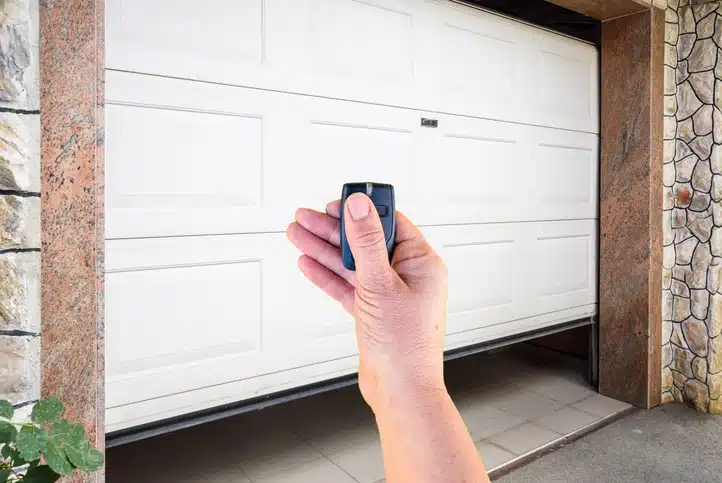

Home automation usually starts with the obvious pieces, thermostats, lighting, cameras, maybe a smart lock on the front door. The garage door often gets added later, usually after a missed delivery, a forgotten open door, or one cold Parker morning when someone realizes they could have tapped a button from the kitchen instead of walking out to the garage in slippers. Once homeowners begin looking at the garage as part of the connected home, accessories become far more important than the opener itself.
A basic garage door opener can lift and lower a door. That is the minimum job. A well-chosen set of accessories turns that same system into a practical, reliable part of daily life. In homes across Parker, where attached garages are common and weather can shift quickly, those accessories can improve security, convenience, monitoring, and even how smoothly the broader smart home works.
The phrase Garage Door Accessories Parker can sound like a narrow product category, almost an afterthought. In practice, it covers many of the components that make automation worth having. Smart controllers, wireless keypads, battery backups, integrated cameras, motion lighting, vehicle detection, door position sensors, and compatibility bridges all serve a purpose. Some matter more for families with kids, some for homeowners who travel frequently, and some for people who simply want fewer loose ends in the routine of leaving and arriving home.
The garage door is not just another entry point
In many Parker homes, the garage is the main entrance used several times a day. People come in from work through the garage, kids head out for school through the garage, groceries come in through the garage, and service providers often need temporary access through the garage. That makes this opening less like a secondary exterior door and more like the busiest portal on the property.
When that is the reality, a disconnected garage system starts to feel outdated. A garage door that can only be controlled by a visor remote is hard to monitor. It offers very little feedback. Was the door closed when everyone left? Did a teenager remember to shut it after pulling out? Did the landscaper enter and leave when expected? Without accessories, the answer often depends on memory.
Home automation solves that uncertainty by turning the garage into a visible, manageable part of the home’s ecosystem. The important distinction is that the opener alone rarely does the heavy lifting. Accessories create the bridge between a mechanical door system and a responsive smart home.
What homeowners in Parker actually need from automation
Parker is not a one-size-fits-all market. Newer developments may already have smart-home-friendly wiring and stronger Wi-Fi coverage in the garage. Older homes may have heavier wood doors, detached garages, or signal dead zones that cause spotty performance. Winter conditions matter, too. Batteries drain faster in cold weather, metal contracts, lubricants thicken, and homeowners are less forgiving of a system that fails when the driveway is icy.
In that environment, good accessories are not decorative add-ons. They solve concrete problems. A battery backup keeps the system usable during an outage. A smart controller confirms whether the door is open or closed when you are away. An exterior keypad helps when someone locks themselves out during a dog walk or school pickup. A vehicle-sensing lighting accessory reduces fumbling in a dark garage. A compatibility hub can bring an older opener into a newer automation platform without forcing a complete replacement.
The best setups reflect use patterns, not trends. A retired couple who travel often may value remote monitoring and camera verification above all else. A busy family with three drivers may care more about multiple access methods and event history. A homeowner with a workshop in the garage may want occupancy lighting and tighter environmental monitoring.
Smart controllers are often the real starting point
When people talk about a “smart garage,” they usually mean a system that can be controlled and checked by phone. That function is generally handled by a smart controller, either built into the opener or added later as an accessory. In many retrofits, this is the single accessory that changes the experience the most.
A good controller does several things at once. It reports the door’s current position, allows remote operation, logs recent activity, and sends alerts if the door has been left open. Those features sound simple until you live with them for a few months. Then they become hard to give up.
One homeowner I worked with had a recurring habit of circling back halfway to Denver because he could not remember if he had closed the garage. It happened often enough that he joked the system owed him gas money. After adding a smart controller with door status alerts, the issue disappeared. Not because the garage physically worked any differently, but because uncertainty was removed from the routine.
That benefit matters in Parker neighborhoods where garages face the street and remain highly visible. An open garage is not always an invitation to theft, but it certainly advertises distraction. Notifications reduce the amount of time a door sits open accidentally, especially during rushed mornings.
Compatibility matters here. Not every smart controller works cleanly with every opener, and not every app plays well with every home automation platform. Before buying, it is worth checking whether the opener’s safety sensors, wall console, and logic board support the accessory. This is one of the most common points where homeowners get frustrated. The accessory itself is fine, but it was never a proper match for the installed equipment.
Sensors do more than report open and closed
The average homeowner hears “sensor” and thinks of the mandatory photo eyes near the floor that stop the door if something crosses the path. Those are essential safety components, but automation adds another layer of sensing that can be surprisingly useful.
Door position sensors confirm whether the door is fully open, fully closed, or somewhere in between. That sounds redundant until a door hangs up because of ice buildup, a worn roller, or an obstruction near the track. A command to close does not always mean a successful close. If the app says the close cycle was initiated, that is not the same as verified shut status. Better accessories distinguish between the two.
Tilt sensors are common on retrofit systems. Reed switches and magnetic contact sensors can also be used depending on the door type and controller design. In detached garages or metal-clad environments, sensor placement becomes important because interference and signal loss can create false reports.
Some homeowners also tie garage occupancy into other automations. Motion sensors can trigger interior lights when someone enters from the house, or alert the homeowner if movement occurs in the garage late at night. That kind of integration is especially practical when the garage doubles as storage, a gym, or a workshop. It shifts the garage from a blind spot to an active monitored zone.
Keypads, remotes, and temporary access still matter
There is a tendency to think mobile app access replaces older accessories. It does not. In practice, the best automated garages use multiple layers of entry, because real households are messy. Phones die. Kids forget them. Guests do not always want to install an app just to get inside for a weekend visit.
Wireless exterior keypads remain one of the most useful garage door accessories available. They are low drama, familiar, and fast. For a family with school-age children, a keypad can eliminate the need for a house key in a backpack. For dog walkers, house sitters, or visiting relatives, a temporary code is often cleaner than handing out a remote.
More advanced systems let homeowners create limited-use codes or time-based access windows. That is especially handy for service appointments. A garage can be opened for a delivery or contractor between certain hours without creating permanent access. Not every opener supports this level of control directly, but some accessory ecosystems do.
Traditional remotes also still have value, particularly multi-button remotes that can control more than one door or gate. In my experience, older drivers and less tech-focused households often prefer a physical remote because it works instantly and does not depend on a phone interface. That preference should not be dismissed as resistance to technology. Good automation respects convenience in the form people will actually use.
Cameras and visual verification add a missing layer
One of the more meaningful shifts in garage automation has been the addition of integrated or accessory-based cameras. A status notification tells you the door is open. A camera tells you why, and what else is happening around it.
This is useful for security, but it is just as useful for everyday management. You can check whether a package was placed inside the garage, confirm that a teenager got home on time, or see whether the door reopened because a trash bin or bicycle wheel interrupted the safety reversal.
Not every household needs a camera inside the garage, and privacy deserves careful thought. Some families are uncomfortable with interior recording in a space where people change clothes after workouts or move through at odd hours. In those cases, a camera pointed only Garage Door Accessories Parker Select Garage Doors at the door opening or driveway may be a better fit. Placement should follow actual use, not a generic plan.
Video also helps with diagnosis. When a homeowner says, “The garage opened by itself,” the event history combined with camera footage often reveals a more mundane cause, such as a stuck remote button, a scheduled automation, or a family member who forgot they used the app.
Battery backup is one accessory people appreciate only after an outage
Parker does not experience constant grid instability, but outages happen, and garages become a real bottleneck when power is down. If the garage is the primary point of entry and the opener has no battery backup, the household is pushed back to manual release mode. That is not the end of the world, but it is inconvenient, and for some people it is physically difficult.
Battery backup units keep the opener functional for a limited number of cycles during an outage. The exact number varies by system, door weight, battery age, and temperature, but it is generally enough to get through a short interruption or maintain access until power returns.
Cold weather is the catch. Batteries are less forgiving in low temperatures, especially in garages that are not insulated. A backup that performs well during a summer test may offer fewer usable cycles in winter. That does not make it a bad investment. It simply means owners should treat it like any other maintained component and test it periodically.
For homeowners who travel, battery backup pairs well with remote alerts. If a storm causes a brief outage while you are away, you can still verify access and check status once the system reconnects. That small resilience matters more than most buyers expect.
Lighting and visibility are a quiet part of automation
When smart garage discussions focus only on opening and closing the door, they miss one of the best quality-of-life improvements: lighting. Good accessory lighting changes how safe and usable the garage feels, especially during darker winter afternoons and early mornings.
Motion-activated garage lights can come on when the interior door opens, when the overhead door starts moving, or when someone enters the space on foot. Exterior coach lights or driveway lighting can also be tied to garage activity so the arrival sequence feels coordinated. That is where home automation moves from novelty into practical comfort.
A family in a two-car garage may notice the difference immediately when unloading groceries. Instead of balancing bags while searching for a switch, the space is already lit. The same goes for teenagers coming home after sports practice, or for anyone stepping into a cold garage before dawn.
There is also a security angle. A garage that lights up predictably during legitimate use and can alert when lights trigger at unusual times is easier to monitor than a dark one. It is not high drama, just better visibility.
Integration is where accessories either shine or disappoint
A garage system can be smart on its own and still feel disconnected from the rest of the home. The real value appears when accessories integrate cleanly with larger routines.
For example, a garage close event might trigger the alarm to arm in stay mode, lower the thermostat slightly, and turn off mudroom lights if no motion is detected afterward. Arrival can work in reverse. When the garage opens after sunset, pathway lights come on and a side entry camera begins a brief recording. These are not flashy automations. They are the kind that save small bits of effort every day.
That said, integration can become brittle if too many platforms are stacked together. I have seen setups where the opener brand used one app, the home hub used another, voice commands depended on a third, and the homeowner had no idea which layer caused delays. Simpler is usually better. A reliable direct integration beats a clever chain that breaks every few weeks after firmware updates.
When shopping for Garage Door Accessories Parker homeowners should pay close attention to platform support. It is not enough for a product to say “works with smart home systems.” That statement can mean anything from full two-way control to limited voice commands with no status feedback. Read the specifics.
The accessories that tend to offer the best value
The right combination depends on the home, but a few categories consistently earn their keep:
- Smart controllers with verified status reporting and alerts
- Exterior wireless keypads with secure code management
- Battery backup systems sized for the opener and door
- Camera or video verification accessories where privacy allows
- Lighting and motion accessories that improve everyday use
That short list covers the majority of practical gains without overcomplicating the system. Notice that none of these are gimmicks. They solve access, awareness, resilience, and visibility.
Common mistakes when upgrading an older garage door system
Retrofitting an existing opener is often the most economical path, but it comes with limits. Many homeowners assume any accessory can be added to any door. That is rarely true. Age, motor type, control board design, and safety sensor configuration all matter.
One common mistake is trying to automate a mechanically unreliable door. If the door is out of balance, the springs are worn, or the track alignment is poor, adding smart accessories only layers software onto a hardware problem. The system may still fail, and now the homeowner has more notifications but not better performance. A door should run smoothly by hand and through the opener before automation is expanded.
Another issue is weak garage Wi-Fi. This is especially common in homes where the router sits at the far end of the house and the garage shares a wall with the driveway rather than the living area. Accessories can appear defective when the real problem is signal loss. In some Parker homes with stucco, foil-backed insulation, or detached structures, a mesh node or dedicated access point makes more difference than any app setting.
Over-automation is another trap. It can be tempting to set the garage door to close automatically after a certain number of minutes. Sometimes that is useful. Sometimes it becomes annoying or risky if people are moving in and out of the space during yard work or bike loading. Timed close features should be set with care, and only when the household understands how they behave.
Professional installation versus do-it-yourself upgrades
Some accessories are very approachable for a handy homeowner. Wireless keypads, certain smart controllers, and some camera add-ons can be installed in under an hour if the underlying opener is compatible. Others are better left to professionals, particularly when they involve wiring changes, logic board integration, battery backup installation, or Garage Door Accessories Parker troubleshooting mixed-brand equipment.
The value of professional installation is not just labor. It is system judgment. A technician who understands both garage mechanics and automation can spot issues that a product manual will never mention, such as a travel setting that is slightly off, a door that shakes enough to affect sensor readings, or a steel panel layout that is likely to create a poor mounting surface for a tilt sensor.
That judgment becomes even more valuable when a homeowner wants the garage to interact with a security system, gate operator, or larger home platform. Good installers think about failure points, not just happy-path setup.
Choosing accessories with Parker conditions in mind
Climate and lifestyle influence which products hold up well. Parker homeowners should think about temperature swings, wind-driven dust, and the frequency with which the garage door cycles in a typical week. A household with two commuting adults and teenage drivers can put far more demand on a system than a quieter home with occasional use.
When evaluating accessories, it helps to look at a few practical questions:
- Will the device maintain reliable connectivity in this garage’s actual Wi-Fi environment?
- Can the accessory handle winter performance demands, especially battery-dependent features?
- Does it support the opener already installed, not just the brand name in general?
- Will everyone in the household actually use it without workarounds?
- If the app or internet fails, is there still a simple fallback method of access?
Those questions cut through marketing quickly. Accessories should reduce friction, not create another set of chores.
A smarter garage is usually a calmer household
The strongest case for garage door automation is not that it feels futuristic. It is that it reduces small points of stress that add up over time. You stop wondering whether the door is open. You stop hiding a key under a planter. You stop leaving the lights on by accident. You stop driving back around the block to check.
That is what good Garage Door Accessories Parker homeowners invest in. Not gadgets for their own sake, but tools that make one of the busiest parts of the home easier to manage. When chosen carefully, they support security without becoming intrusive, add convenience without adding confusion, and bring the garage into the same reliable rhythm as the rest of the house.
For many homes, the garage is the real front door. Treating it as part of the automation plan is not extra. It is overdue.
Select Garage Doors
11479 Pine Dr
Parker, CO 80134, United States
Phone: (303) 228-0018
FAQ About Garage Door Accessories Parker
Where can I find garage door accessories?
Garage door accessories are available from garage door service companies, authorized dealers, home improvement stores, and specialist suppliers. Select Garage Doors supplies and installs accessories for homeowners in Parker, including compatible remotes, wireless keypads, weather seals, and smart controls. Check your opener model and door specifications before choosing a replacement or upgrade.
How to make a garage door more attractive?
Cleaning the door, refreshing a manufacturer-approved finish, and choosing coordinated decorative handles or hinge accents can improve its appearance. Compatible window inserts may also change the look of an existing window section. Match accessories to the door material and style, and make sure added hardware does not interfere with movement, seals, or safety equipment.
Where can I buy garage door inserts?
Decorative window inserts can be sourced through the door manufacturer, an authorized garage door dealer, or a supplier that carries parts for your specific door series. Match the model, window frame dimensions, and attachment system; inserts are not universally interchangeable. Ask a professional to confirm compatibility before ordering, especially if the work involves glass or changes to a door section.